

The Ultimate Nicaragua Surf Trip Packing List: What to Bring and What to Leave Home
Packing for a surf trip can be confusing, especially if you’ve never done it before or you’re visiting the tropics for the first time. Every destination is a little different, and Nicaragua raises plenty of questions for first-time visitors.
This Nicaragua surf trip packing list covers everything from surfboards and sunscreen to bug protection, travel insurance, and the items you should leave at home. Whether you’re learning to surf for the first time or planning a strike mission in search of barrels, this guide will help you arrive prepared without overpacking.
To make things easier, I’m going to break this into two categories because there are generally two types of surfers who visit us.
The first category is the traveler who wants to learn how to surf while they’re here.
The second category is the surfer who already surfs regularly and is traveling to Nicaragua specifically to score waves.
Depending on which category you fall into, what you pack may look a little different.
Quick Nicaragua Surf Trip Packing List
Bring:
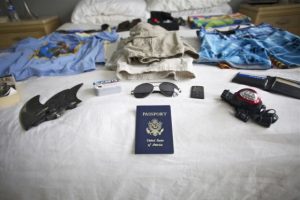
- Passport with at least 6 months validity
- Swimsuits
- Rash guard
- Flip-flops or sandals
- Sunscreen SPF 30+
- Face stick for surfing
- Lightweight clothing
- Bug spray
- Hat
- Surfboards (experienced surfers)
- Spare leash and fins
- Travel insurance
Leave at Home:
- Drones
- Spearguns
- Excess clothing
- Multiple laptops
- Multiple phones
- Unnecessary electronics
Packing for a Beginner Surf Trip
Most beginner surfers visit Nicaragua during what we call the low season, which generally runs from November through February.
Surfers use the term “low season” to describe smaller wave conditions rather than tourism levels. During these months, the waves are typically smaller and more beginner-friendly. We also see a lot of visitors escaping winter from Europe, Canada, and the northern United States.
It’s not rocket science. When it’s cold at home, people start dreaming about warm water, sunshine, and tropical beaches.
If you’re a beginner and you’ve never traveled to the tropics before, don’t overthink your packing list.
In fact, packing less is usually better.
At Sirena Surf Lodge, our surf packages include surfboard rentals, so bringing a board isn’t necessary unless you have one you specifically want to ride.
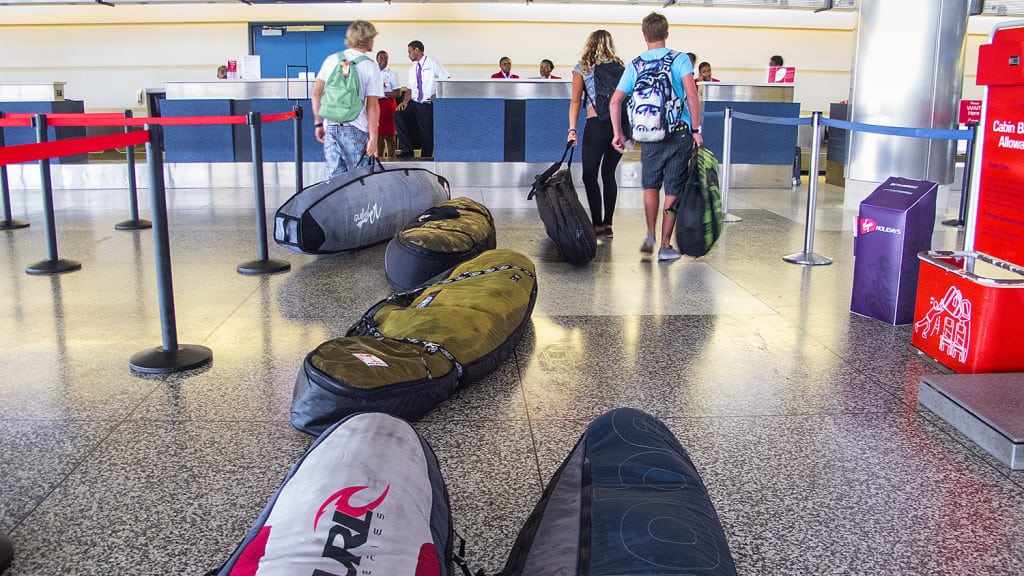
If you do want to bring your own board, that’s perfectly fine. Our airport transfers can accommodate surfboard bags, we have surfboard racks available, and we always have wax and instructors available to help you get the most out of your equipment.
If you don’t bring a board, don’t worry. We have a large selection of boards in different sizes and shapes, and we’ll help find one that’s appropriate for your skill level.
What Clothing Should You Pack for Nicaragua?
One of the biggest mistakes visitors make is packing too much clothing.
It’s generally between 90 and 100 degrees Fahrenheit here most days, and those temperatures don’t require a very extensive wardrobe.
On a typical surf vacation, you may spend most days in a swimsuit—at least if you’re doing it right. Honestly, nobody is going to judge you if you wear the same swimsuit all week.
It’s going to spend most of its time getting rinsed in the ocean, drying in the sun, and then getting wet again.
Repeat as necessary.
A couple of swimsuits, a couple of shirts, a few pairs of shorts, and one lightweight long-sleeve outfit are usually enough for an entire week.
On the rare occasion guests decide to go out for dinner or enjoy a night in town, you’ll still be comfortably dressed.
Mosquitoes Bugs and Tropical Comfort
You might expect Nicaragua to be a nightmare of bugs, mozzies and other creepy crawlwers, but it’s actually much less creepy than you average Mid-summer Florida picnic. We do have our wildlife and we live with it in a mostly indoor/outdoor environmnent, but it’s totally maneagable.
The best defense isn’t necessarily bug spray—it’s lightweight coverage. Sundown and sunup are the two times when mosquitoes will be most active. We tend to surf early, so other than the time it take to get from bed into the water is the bulk of your morning exposure. The evening time however, when socializing, cocktails and beers on the beach and a well deserved meal require our presence, this is a good time for protection.
A lightweight long-sleeve shirt, light pants, and socks can make a huge difference during the evening hours. If you’re really prepared you can soak your linen armor in water and cipermethrin, let it dry and it creates a suit that has strong repellent qualities as well. I’m not afraid of chemicals, so for me, when there’s a serious plague of mosquitoes, I might go so far.
I know that sounds miserable when it’s 90 degrees outside, but modern lightweight fabrics are surprisingly comfortable and often more effective than constantly reapplying bug spray.
That said, I still recommend bringing insect repellent with at least 10% DEET. This is my go to and I use it almost every night, particularly on my ankles and ears. The ankles and feet are always hit the worst because of your think skin there. Also, the mozzies know to hang out. underneath the table at dinner…they’re feasting while we’re eating! These days a can of off doesn’t even smell that bad and is well worth having a round for a week in the tropics.
If you forget it, don’t worry. We have it available here for sale.
Mosquitoes tend to be most common between June and October because of the increased rainfall, but even then, our bug situation is usually mild compared to a typical summer evening in the American Midwest or much of Canada.
NOTE: mosquitoes are attracted to dark colors. If you have a choice, choose light grey, blue or white to wear during the morning and dusk hours. If going on a hike, avoid black outer wear. Anything black is a huge attractant for mosquitoes and avoiding black clothing and accessories is a great way to mitigate your exposure.
Footwear: Keep It Simple
You’ll definitely want a pair of flip-flops or sandals.
Most of your time will be spent walking between the beach, the pool, your room, and the restaurant.
Something comfortable and easy to slip on is ideal.
It’s also a good idea to bring a pair of closed-toe shoes if you’d like to explore, hike, or join one of our local excursions.
Nicaragua’s sidewalks, streets, and trails aren’t always perfectly maintained, and a good pair of shoes can make exploring much more enjoyable.
The Tropical Sun Is No Joke
If there’s one section of this article worth paying attention to, it’s this one.
The tropical sun is incredibly powerful and it’s embarrassing to find that out the hard way. You can spend ten minutes carefully applying sunscreen and feel confident that you’ve covered everything. Then you’ll discover one tiny spot you missed.
The sun won’t miss it, it doesn’t miss anything:
The back of your ears.
The top of your head.
The backs of your knees.
Your feet.
The strip of skin between your rash guard and boardshorts.
Trust me, the sun finds everything.
Bring a quality sunscreen with an SPF of at least 30.
I also recommend a face stick designed specifically for surfers. These tend to stay on longer in the water and provide much better protection during extended surf sessions.
Yes, they can leave white streaks on your face.
No, nobody cares.
Everyone else in the lineup looks exactly the same.
A good hat is also worth bringing, especially one with a chin strap if you plan on wearing it in the water.
Long-sleeve rash guards and surf shirts are necessities as well. These days, many surfers are even wearing lightweight surf leggings for additional sun protection.
Gone are the days of getting your tan burned in on the first day. You will inevitably soak in sun even through your layers, but going without them any time between 9am and 3pm is a recipe for an uncomfortable burn. It’s much easier to prevent sunburn than it is to recover from it.
What About Cameras?
This used to be a much bigger discussion than it was or needs to be today.
If you’re a photographer and you actively use a professional DSLR camera, by all means bring it.
If you own a DSLR that spends most of its life sitting in a closet, leave it there.
Modern smartphones are incredibly capable, and for most travelers, your phone will capture everything you need. For an extra nerdy result, bring a selfie stick and/or a gimbal. Both, as nerdy as they are, give better results when getting shots.
Sirena Surf Lodge offers professional photography services. You can pre book a week long package that will include a daily photo session while you surf. You can schedule individual sessions. You can also access our daily photos through our portal, select photos you like and then purchase them online. regularly photograph guests during surf sessions using professional equipment.
If we capture you getting the wave of your life, you’ll have the opportunity to purchase those photos afterward.
And trust me, when you finally get that perfect ride, you’re probably going to want the photo.
My Packing Philosophy
When packing for Nicaragua, I suggest following a very simple rule:
If you know you’ll need it, bring it.
If you know you won’t need it, don’t bring it.
If you’re not sure whether you’ll need it, don’t bring it.
You probably won’t.
We’re not on the moon.
If there’s something you forgot, there’s a very good chance we can help you find it locally.
When in doubt, reach out and ask. After years of hosting guests from around the world, we’ve probably answered the same question before.
Things You Shouldn’t Bring
Most packing lists focus on what to bring, but there are a few things I strongly recommend leaving at home.
First, do not bring drones.
Nicaragua has strict laws regarding drones, and bringing one can create headaches at customs. Even if your intentions are completely innocent, it’s simply not worth the risk. If your some reason you cannot live without a drone, there are ways to have them sent, but it takes some time and planning… don’t think you’re going to sneak one into your bags and get it through. I’ve not seen one make it since they came online around 2014.
The same goes for spear guns. Nicaragua requires a weapons permit for a speargun. If you bring one it will be confiscated at customs. Leave them at home, spending an extra three hours at the airport while they process your speargun, just so you can pay a $15/day fine for storing it at the customs office is not a nice way to start your surf trip.
There are also a few items that are technically allowed but can attract unwanted attention from customs officials.
As a general rule, avoid bringing multiples of expensive electronics.
For example:
- More than one cell phone
- More than one laptop
- Multiple tablets
- Multiple cameras
- Multiple electronic devices of the same type
Customs agents may view those items as merchandise intended for resale rather than personal use. In some cases, travellers have been required to pay duties or taxes on those items, and inevitably the process can become time-consuming and frustrating.
My recommendation is simple: bring what you need for your trip and leave the extras at home.
One phone.
One laptop if you need it.
One camera if photography is important to you.
That’s usually more than enough for a surf vacation.
Remember, you’re coming to Nicaragua to spend time in the ocean, not behind a screen.
In fact, many guests discover that one of the best parts of a surf trip is disconnecting from the constant notifications, emails, and distractions of everyday life.
The less electronics you bring, the less you have to worry about and the more time you can spend enjoying the waves.
Packing for the Experienced Surfer
Now let’s talk about the second group…The strike mission crowd.
The surfers chasing barrels, points, reefs, and memorable sessions.
Like most enthusiasts, Surfers love equipment.
It’s practically impossible to be a surfer without becoming at least a little obsessed with boards, fins, wax, and any other gear.
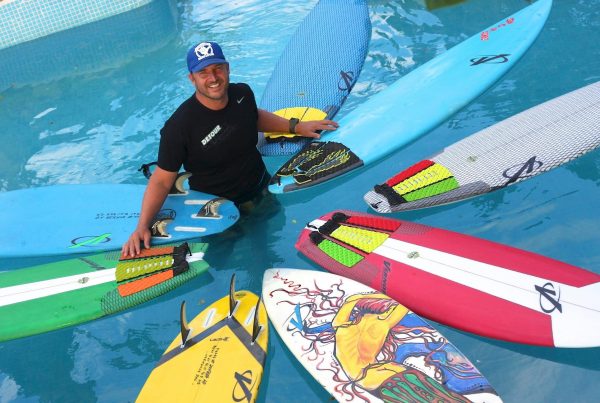
For most surfers, I recommend bringing three boards:
- A fish or groveler
- A standard shortboard
- A step-up board
Modern forecasting tools make it easier than ever to anticipate likely conditions before your trip. I spend a lot of time helping guests interpret forecasts and determine which boards are most appropriate for the expected surf.
If you’re unsure what to bring, just ask me and we’ll take a quick look at the forecast to see if your quiver should be adjusted in any direction.
I’d much rather help you choose before your trip than watch you arrive wishing you’d packed something different.
Extra Surf Gear Worth Bringing
Experienced surfers should also consider packing:
- An extra leash
- Spare fins
- A fin key
- Tropical wax
- Ding repair supplies
- Extra fin screws
None of these items take up much space, and every one of them can save a surf trip.
Passport Expiration Date
You should have 6 months of validity left on your passport at the time of your arrival in Nicaragua. Upon arrival at immigration you will pay $10 for a 90 day tourist visa. That visa is extendable for another 90 days, thus the 6 month requirement for validity. Airline agents enforce this policy…because if Nicaragua refuses you entry, the airline is responsible for taking you back to your point of origin, at their expense. So in an effort to avoid that, airline agents are checking and will refuse your boarding pass if you don’t have 6 months validity left on your passport. Don’t test it… or do… but be prepared to stay behind while the rest of the boys are boarding.
Medical Considerations and Travel Insurance
One question that comes up occasionally is vaccinations.
If you’re traveling from North America or Europe, there’s generally nothing unusual you need to worry about. Worriers be worrying though, and so if that’s you, go to a doctor and get juiced up. If you’re not a worrier, get down here and we’ll see if we can avoid a dengue outbreak before you go home surfed out!
Travelers arriving from certain countries with yellow fever outbreaks may be required to provide proof of a yellow fever vaccination, so it’s worth checking current requirements if you’ve recently traveled through parts of South Asia, Africa or South America. It’s not always enforced, but I have heard of it being enforced and thus worth doing some diligence to avoid border hassles.
More importantly and I can’t recommend it strongly enough: get travel insurance.
In fact, we encourage all guests to purchase it.
Sometimes life happens.
Flights get canceled.
Trips get interrupted.
Boards get broken.
People get injured.
Incurred costs can grow quickly and nothing creates stress like money. While Nicaragua has good medical care and excellent emergency services for most situations, travel insurance can provide coverage for medical evacuation, trip interruptions, lost baggage, and damaged surfboards. I’ve had several guests who have broken surf boards and who were relieved to find out that it was covered by their travel insurance. I’ve had other guests find out that paying $450 for a rental board is required pay to play policy.
It’s one of those things you hope you never need, but you’ll be glad you have if something unexpected happens.
Final Thoughts
So what should you pack for a surf trip to Nicaragua?
Honestly, not much.
A few swimsuits.
A few pairs of shorts.
Lightweight clothing.
Flip-flops.
Sunscreen.
Bug spray.
A hat.
A rash guard.
And if you’re an experienced surfer, your favourite boards and a few spare parts.
Don’t overthink it.
The best surf trips usually aren’t about having the perfect packing list. They’re about spending less time worrying and more time enjoying the waves.
If you have questions about what to bring for your stay at Sirena Surf Lodge, feel free to reach out at the time of booking.
All inclusive surf trips and all inclusive Learn To Surf excursion as bookable at sirenasurflodge.com
For direct booking contact us via WhatsApp message at +505 8606-5125, or reach out through Instagram or Facebook.
We’re always happy to help you figure out exactly what you need—and what you can leave at home. We look forward to surfing with you in Nicaragua.